Truck Stop Loneliness and Modern Dating: Breaking the Cycle
Life on the road is measured in miles, hours, and truck-stop parking lots. For many OTR drivers, it's also measured in loneliness. This article examines the mental health reality of long-haul driving - and how niche dating platforms, daily habits, and genuine connection are changing what it means to be alone behind the wheel.
Quick Takeaways
- 28% of OTR drivers report chronic loneliness, and 27% experience symptoms of depression linked to road isolation.
- Niche trucker dating platforms connect drivers with women who understand the lifestyle - reducing the emotional gap between routes.
- Daily contact - even a single voice note or text - significantly strengthens long-distance relationships formed on the road.
- Practical habits like podcasts, audiobooks, sunset photography, and journaling help drivers manage the psychological toll of long hauls.
The Loneliness Statistics: 28% and 27%
Truck stop loneliness isn't a punchline - it's a measurable mental health crisis. According to industry research, 28% of OTR drivers report chronic loneliness, and 27% experience symptoms of depression directly linked to the isolation of long-haul driving. These aren't abstract numbers. They represent real people sitting in sleeper berths across America, hundreds of miles from anyone who knows their name.
of OTR drivers report chronic loneliness
experience depression symptoms on the road
The problem compounds over time. A driver running 11-day routes with one or two days home time per week spends roughly 80% of their waking hours alone. That isolation isn't just emotional - it's physiological. Studies on prolonged social isolation show increased cortisol levels, disrupted sleep patterns, and a higher risk of cardiovascular issues. For truck drivers, these effects are layered on top of already demanding physical conditions: irregular sleep, poor diet options at truck stops, and the constant stress of traffic, weather, and delivery deadlines.
Here's where it gets interesting: the same survey data shows that drivers who maintain regular social contact - whether through relationships, friendships, or community - report significantly lower rates of both loneliness and depression. The gap isn't about being on the road. It's about being on the road alone. That distinction matters, because it means the problem is solvable.
The Psychological Challenges of the Open Road
The psychological toll of OTR driving goes beyond simple loneliness. Drivers face a unique combination of stressors: irregular sleep cycles that disrupt circadian rhythms, prolonged sedentary periods, limited access to healthy food, and a persistent sense of disconnection from the people and routines that ground most adults. When you're parked at a rest area in Wyoming at 2 a.m. and your partner is asleep six states away, the distance isn't just geographic - it's emotional.
Many drivers describe a specific kind of loneliness that hits during the in-between moments - fueling up, waiting at a dock, eating a sandwich in the cab. These are the gaps where the absence of connection is loudest. Social media doesn't fill them. Scrolling through Instagram or TikTok during a 30-minute fuel stop provides distraction, not connection. It's the digital equivalent of eating a candy bar for dinner: momentarily satisfying, nutritionally empty.
The hardest part isn't the driving. It's the silence between the driving - the parked hours where you realize nobody's waiting for your call. - OTR driver, 8 years, running I-80 corridor
This is where traditional dating apps fail drivers spectacularly. A driver who matches with someone on Tinder during a layover in Omaha has no way to maintain that connection when they're in Denver the next day. The swipe-and-forget model of mass-market apps mirrors the transient nature of truck stop life - here today, gone tomorrow, nothing sustained. It reinforces the very loneliness it pretends to address.
How Niche Platforms Are Changing the Rules
Niche trucker dating platforms are built around a simple premise: the problem isn't finding someone to talk to. It's finding someone who understands why you're calling from a parking lot at midnight. When a driver connects with a woman on a platform like DriveMatch, the conversation starts from shared context. She knows what a sleeper berth is. She knows that home time means 36 hours, not a weekend. She knows that a missed delivery window isn't an excuse - it's a crisis.
What Changes When the Platform Gets It
Route-based matching lets drivers connect with women along their regular corridors - not just within a 25-mile radius that becomes irrelevant by Tuesday. Voice notes recorded from the cab carry warmth and personality that text can't replicate, and they work on the slow Wi-Fi connections common at truck stops. Verified CDL community badges filter out fake profiles and confirm that the person on the other end is real. These features don't just improve dating - they reduce isolation by making connection sustainable across distance.
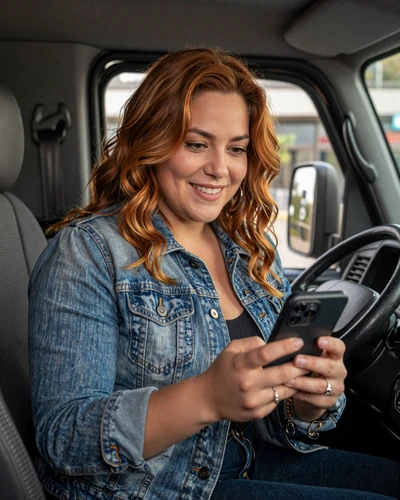
The shift is structural, not cosmetic. On a mass-market app, a driver has to explain their lifestyle to every new match - and most matches bail when they hear "three weeks on the road." On a niche platform, that explanation is already built in. The profiles, the matching algorithm, the community norms - everything signals that the trucking lifestyle is understood and accepted. This removes the single biggest barrier to connection for OTR drivers: the exhausting cycle of explaining, justifying, and ultimately losing matches who can't handle the schedule.
For drivers interested in exploring regional connections, platforms like DriveMatch offer trucker dating in Texas, California, and other states along major freight corridors. Route-based matching means a driver running I-10 can connect with women across the southern corridor rather than being limited to a single city.
Practical Habits for Beating Loneliness on the Road
While a dating platform can open the door to connection, daily habits keep the door from closing. The drivers who manage road isolation best aren't the ones who never feel lonely - they're the ones who've built routines that provide structure, stimulation, and emotional grounding between routes. Here are four habits that consistently help:
-
Podcasts and Audiobooks
Audio content turns windshield time into learning time. Whether it's true crime, history, or relationship advice podcasts, having a consistent audio companion reduces the sense of isolation during long stretches. Many drivers report that finishing a podcast series feels like spending time with a friend - the voices become familiar, reliable, and comforting during solo miles.
-
Sunset Photography
OTR drivers see some of the most spectacular sunsets in America - from the Florida coast to the Arizona desert. Turning that daily spectacle into a photography habit gives drivers a creative outlet, a reason to step outside the cab, and something beautiful to share with a partner. A sunset photo sent with a voice note saying "thinking of you" carries more emotional weight than a generic goodnight text.
-
Journaling and Voice Memos
Recording voice memos - even just for yourself - helps process the emotional weight of the road. Some drivers write in a physical journal; others record audio reflections during long stretches. The act of articulating feelings reduces their intensity. When you can share those reflections with someone who cares, the habit becomes a bridge instead of a monologue.
-
Daily Contact Rituals
A morning text, an evening voice note, a shared playlist updated weekly - these small rituals create predictable touchpoints that anchor a relationship across distance. The content matters less than the consistency. Knowing that someone will call at 8 p.m. every night transforms a parked cab from an isolated box into a place where connection happens.

Why Daily Contact Matters More Than You Think
Daily contact between partners isn't just nice to have - it's the mechanism that keeps a relationship alive across distance. Research on long-distance relationships consistently shows that couples who communicate daily - even briefly - report higher relationship satisfaction and lower anxiety than those who communicate sporadically. For OTR drivers, this isn't optional. A 30-second voice note from a truck stop in Iowa can be the difference between a partner who feels connected and one who feels forgotten.
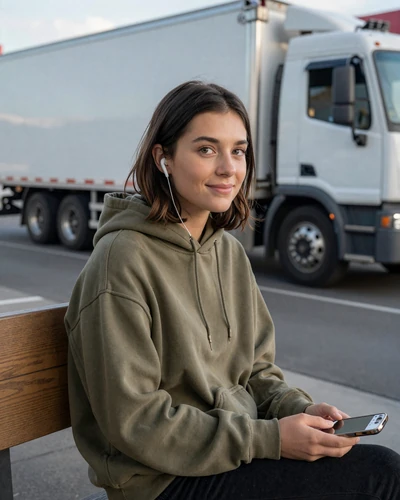
The format matters less than the frequency. A text saying "made it to Amarillo, thinking of you" takes five seconds to send and carries emotional weight for hours. A shared Spotify playlist that both partners add to during the week creates a sense of shared experience even when they're apart. Voice notes are particularly powerful - hearing someone's voice triggers emotional responses that text doesn't, and for drivers who spend most of their day in silence, hearing a partner's voice can be genuinely grounding.
One call a day. That's the minimum. Not because we have something important to say every time, but because the call itself is the message: you matter to me, even from 800 miles away. - Regional driver, 5 years, married to an OTR operator
For drivers who are dating as a truck driver, establishing a daily contact ritual early in the relationship sets the foundation for everything that follows. It signals commitment, builds trust, and creates a rhythm that both partners can rely on. The women on DriveMatch aren't looking for occasional attention - they're looking for consistency. And consistency, on the road, is the rarest currency there is.
If you're struggling with the emotional weight of long hauls, our article on life on the road and dating explores how to balance work and personal life from the cab. For practical communication strategies, maintaining relationships during long hauls breaks down the daily rituals that keep couples connected across thousands of miles.
Frequently Asked Questions
Common questions about truck stop loneliness, mental health, and dating as a truck driver.
Is it hard to be in a relationship with a truck driver?
Yes, it requires intentional communication. OTR drivers are away from home 80% of the time, which means relationships depend on daily contact - voice notes, texts, and calls - rather than physical proximity. However, niche platforms like DriveMatch connect drivers with women who specifically understand the lifestyle, which removes the biggest barrier: explaining and justifying the schedule. Couples who establish daily contact rituals and shared expectations report strong, lasting relationships despite the distance.
How common is loneliness among truck drivers?
28% of OTR drivers report chronic loneliness, and 27% experience symptoms of depression linked to road isolation. These rates are significantly higher than the general population. The isolation stems from spending roughly 80% of waking hours alone, irregular sleep cycles, and limited social interaction beyond brief exchanges at fuel stops and delivery docks. Drivers who maintain regular social contact through relationships or community report substantially lower rates of both loneliness and depression.
Can a dating app really help with truck stop loneliness?
Yes, but only if it's the right kind of platform. Mass-market swipe apps like Tinder don't address the structural problem - drivers move too fast for fixed-radius matching. Niche trucker dating platforms like DriveMatch use route-based matching, voice notes optimized for low-bandwidth truck-stop Wi-Fi, and verified CDL community badges. This means connections are sustainable across distance, not just momentary distractions. The key is finding a platform designed for the reality of road life.
What daily habits help truck drivers cope with loneliness?
Four habits consistently help: listening to podcasts and audiobooks during long drives to provide a sense of companionship; practicing sunset photography to create a creative outlet and something meaningful to share with a partner; journaling or recording voice memos to process emotions; and establishing daily contact rituals with a partner - even a single text or voice note per day significantly reduces feelings of isolation and strengthens the relationship.